Learning how to sign directions in BSL is very useful for daily conversations. The visual nature of BSL can make this process feel easier and more natural than in spoken languages. You may find some of the signs similar to natural gestures you would use.
Places of interest or amenities
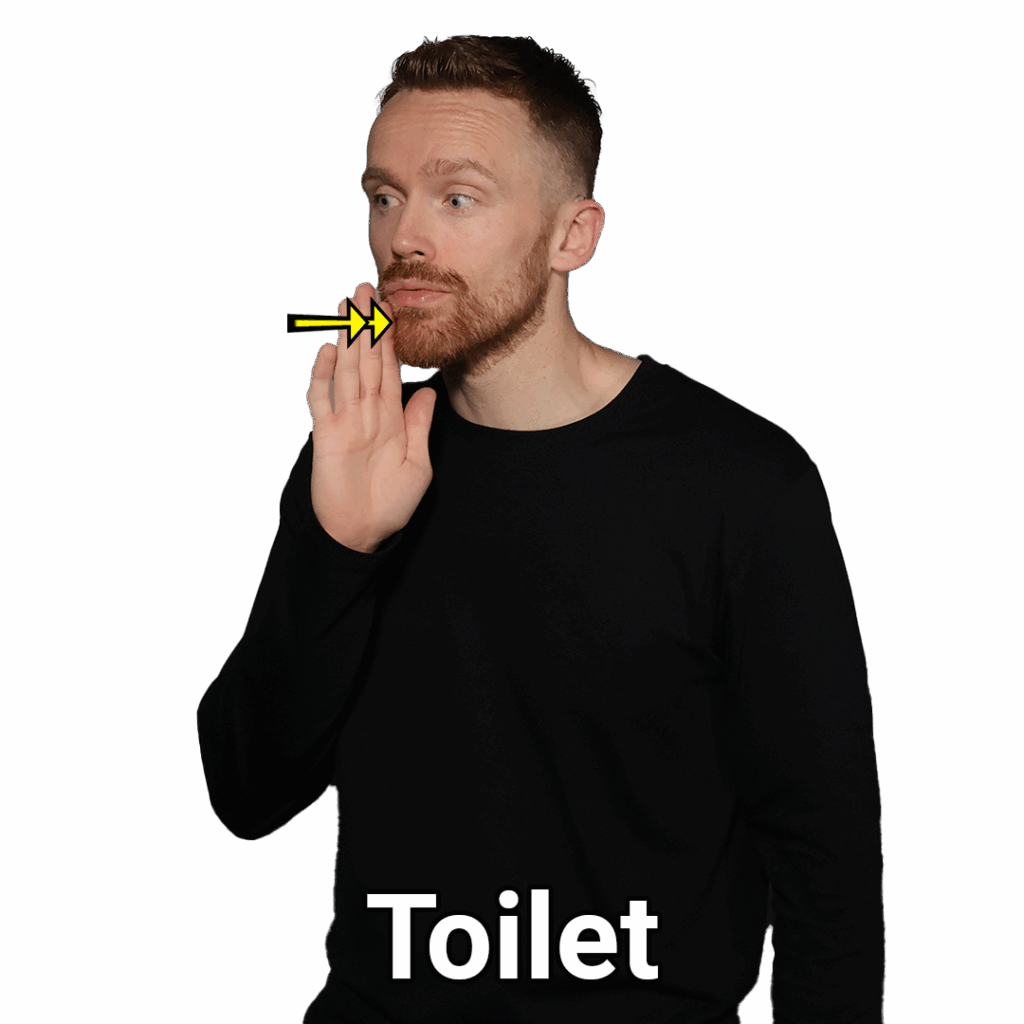
TOILET is a sign that has many regional variations. We’ve demonstrated two variations below but there may be others your local Deaf community uses.



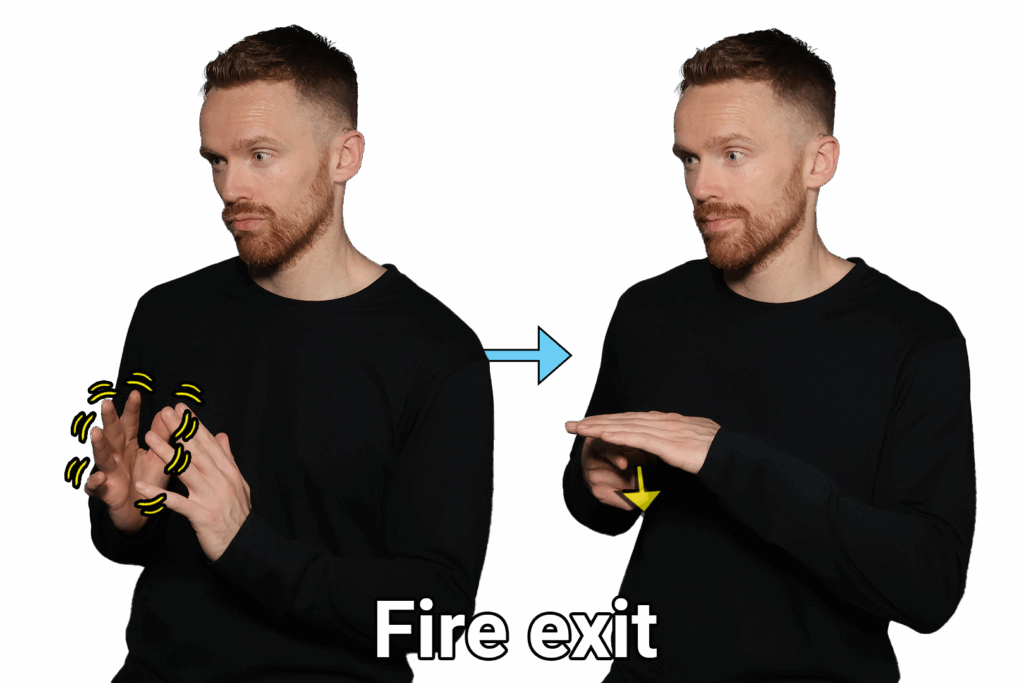
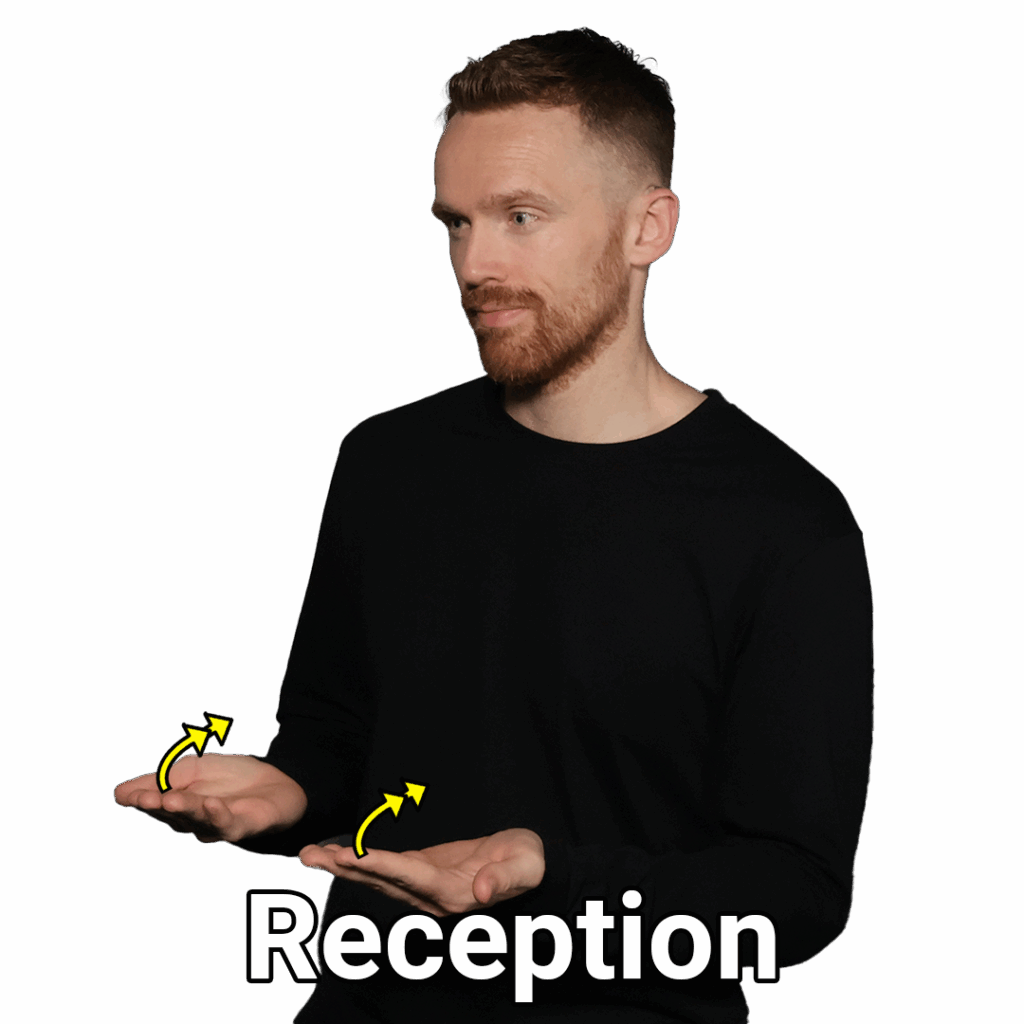
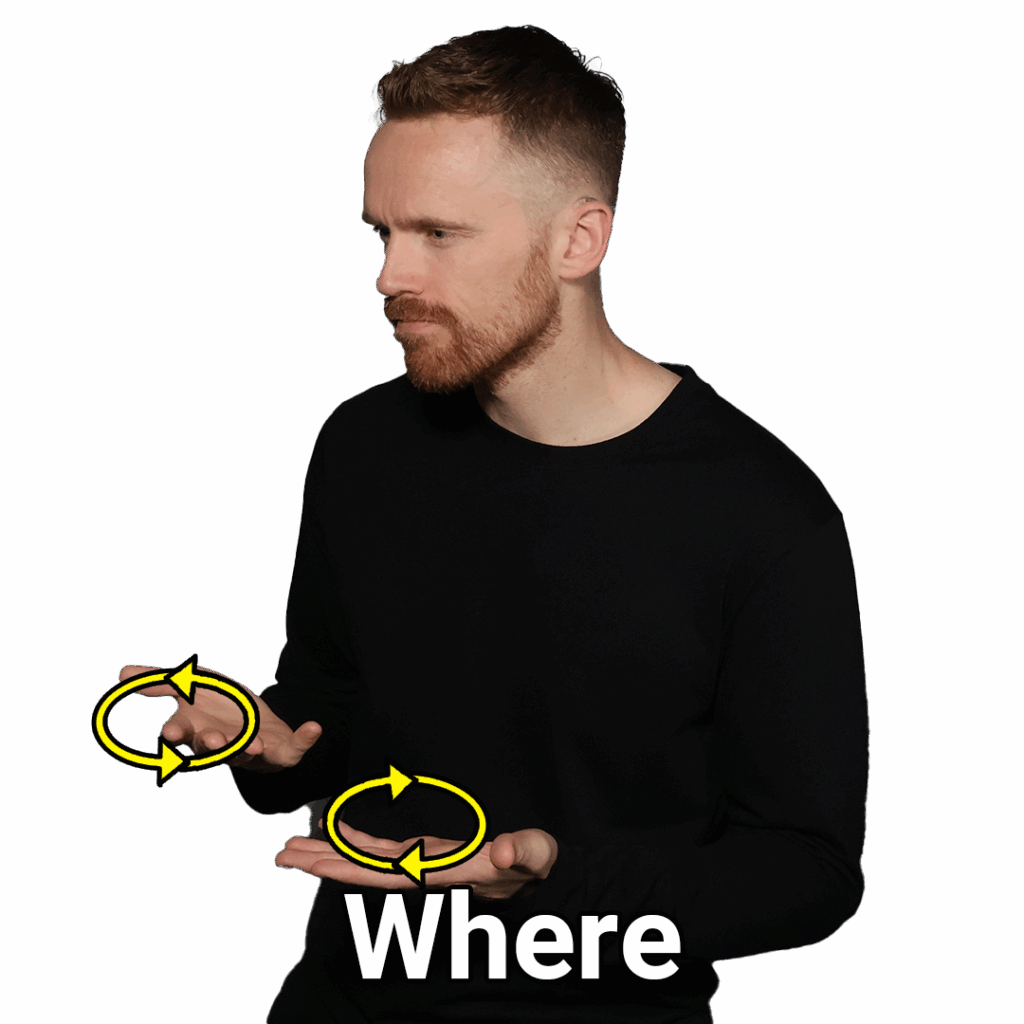
Directions
When giving directions, sign from your point of view. When receiving directions, be aware that the signer will give directions from their point of view.
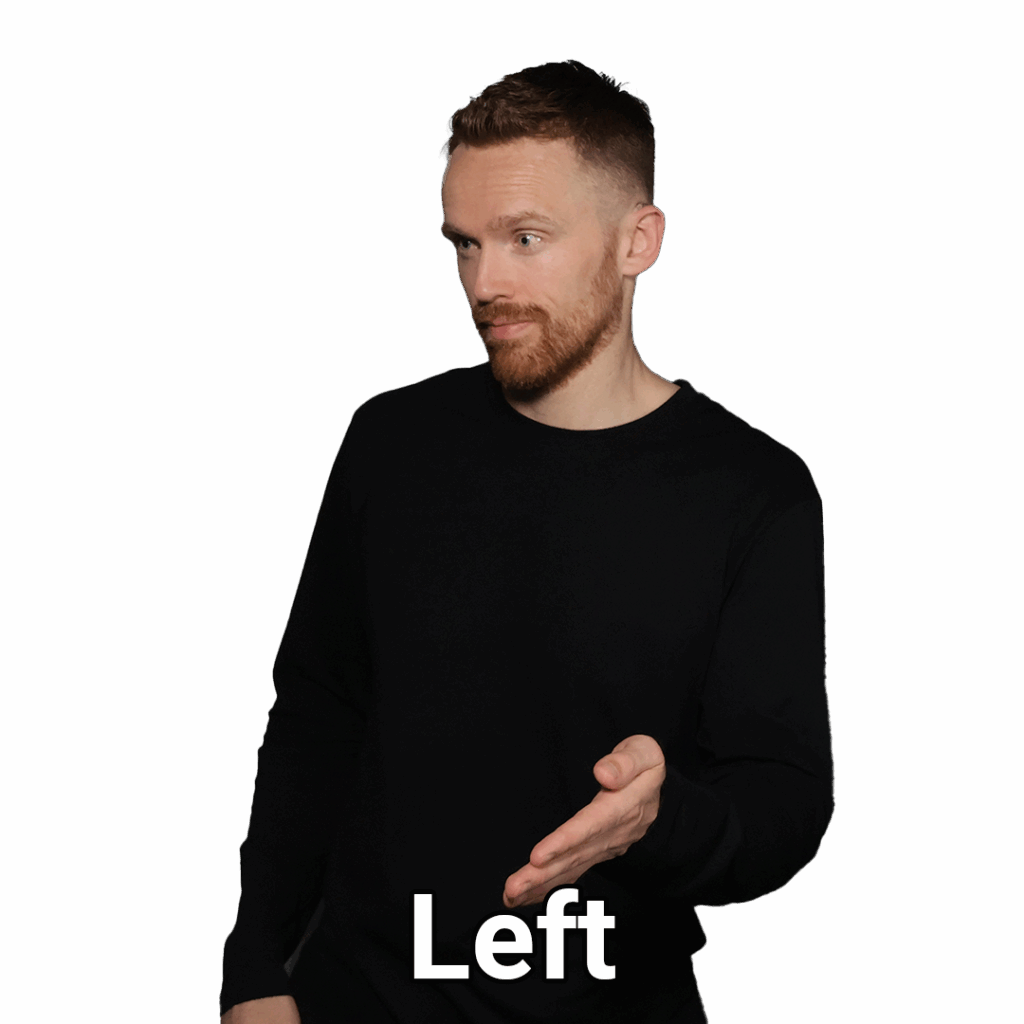
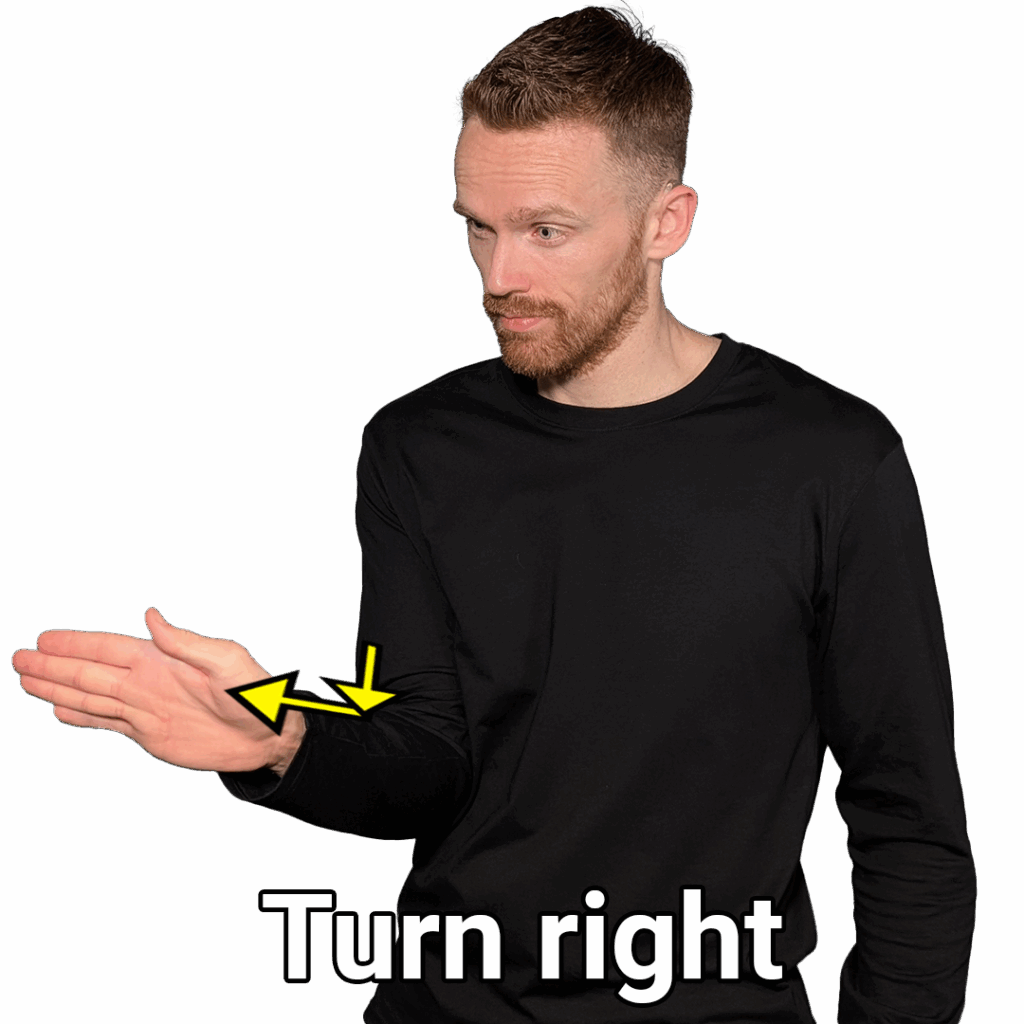
There are some variations in how signers may describe directions while some differences will be contextual and have subtle differences in meaning. LEFT and RIGHT are signed by motioning to the left or right. An example of a variation is that some signers will use two hands and keep one hand still, with the right or left hand moving. However, if a signer taps their left or right arm that means ON THE LEFT or ON THE RIGHT. The key is to remember to be as visual as possible.
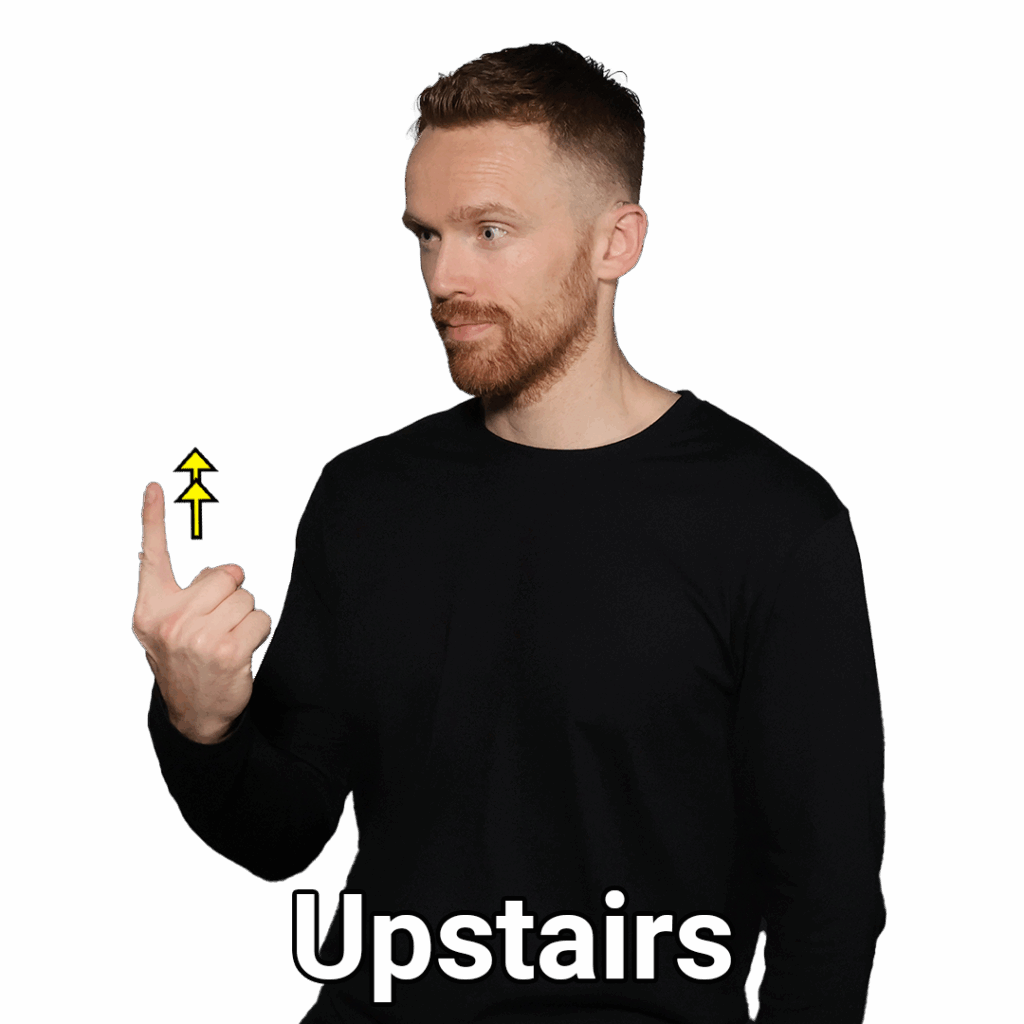
Here’s some vocabulary that will help you give and understand directions.









Good to know
In BSL exams, directions is often a topic covered and candidates will be expected to repeat back directions to their signing partner. You’ll normally be required to ask where something of interest or use is (e.g. the toilet) then repeat back the directions to show you have understood.
The visual nature of BSL requires sentences are ordered in sequence to avoid confusion. In English, you could say take the second left when you get upstairs. In BSL, you would sign UPSTAIRS followed by SECOND LEFT because you’d be going upstairs first.
Exercise: If you have a partner, ask each other where several locations of interest or amenities are, e.g. reception and the toilet. Once you have the directions, repeat them back to make sure you have them right.
Key points to remember
1. Directions are signed from the signer’s point of view.
2. Be as visual as possible and keep directions in the order you would take them.
3. There are some slight variations in how signers will communicate directions and these can be variations or have slightly different meanings depending on the context.
Useful downloads and links
A PDF version of this page will be available to download soon.